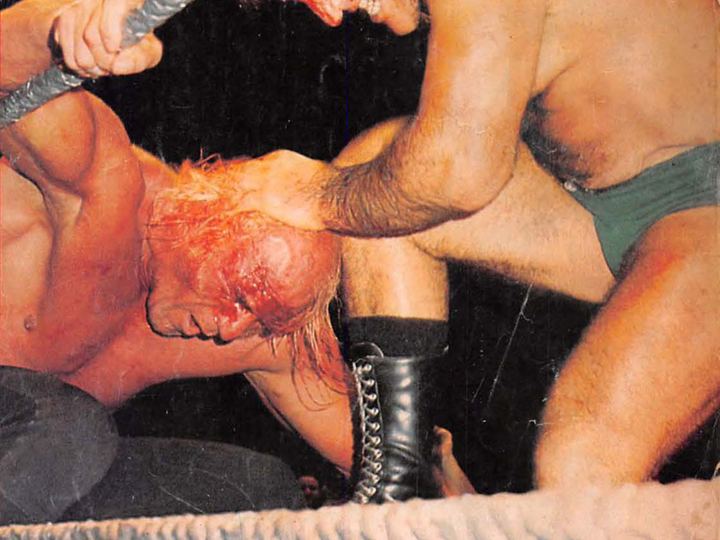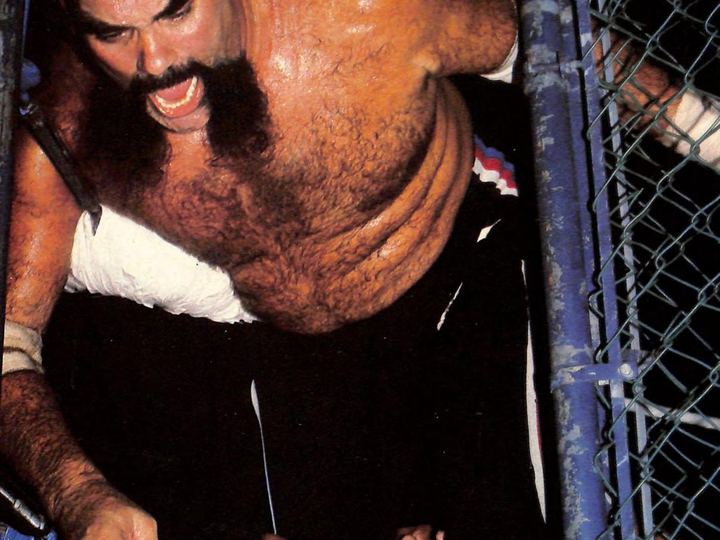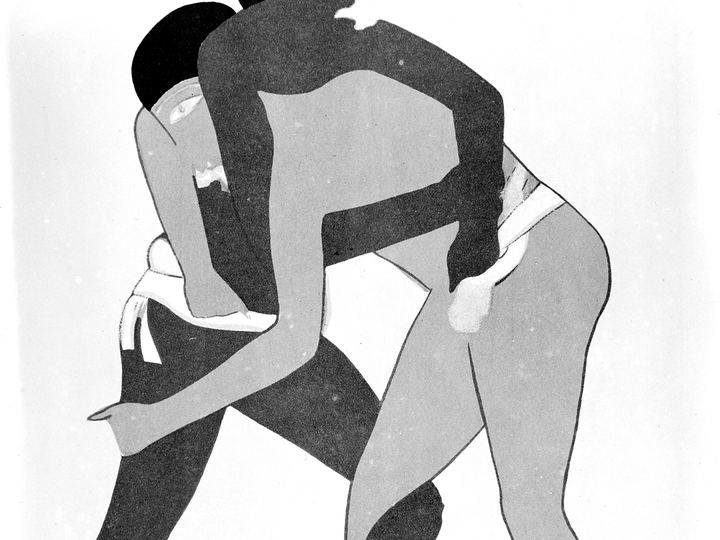
Kayfabe
Wrestling's oldest secret code word. Kayfabe was the code that kept wrestling's staged world looking real. The word itself was a carny warning that outsiders were listening.
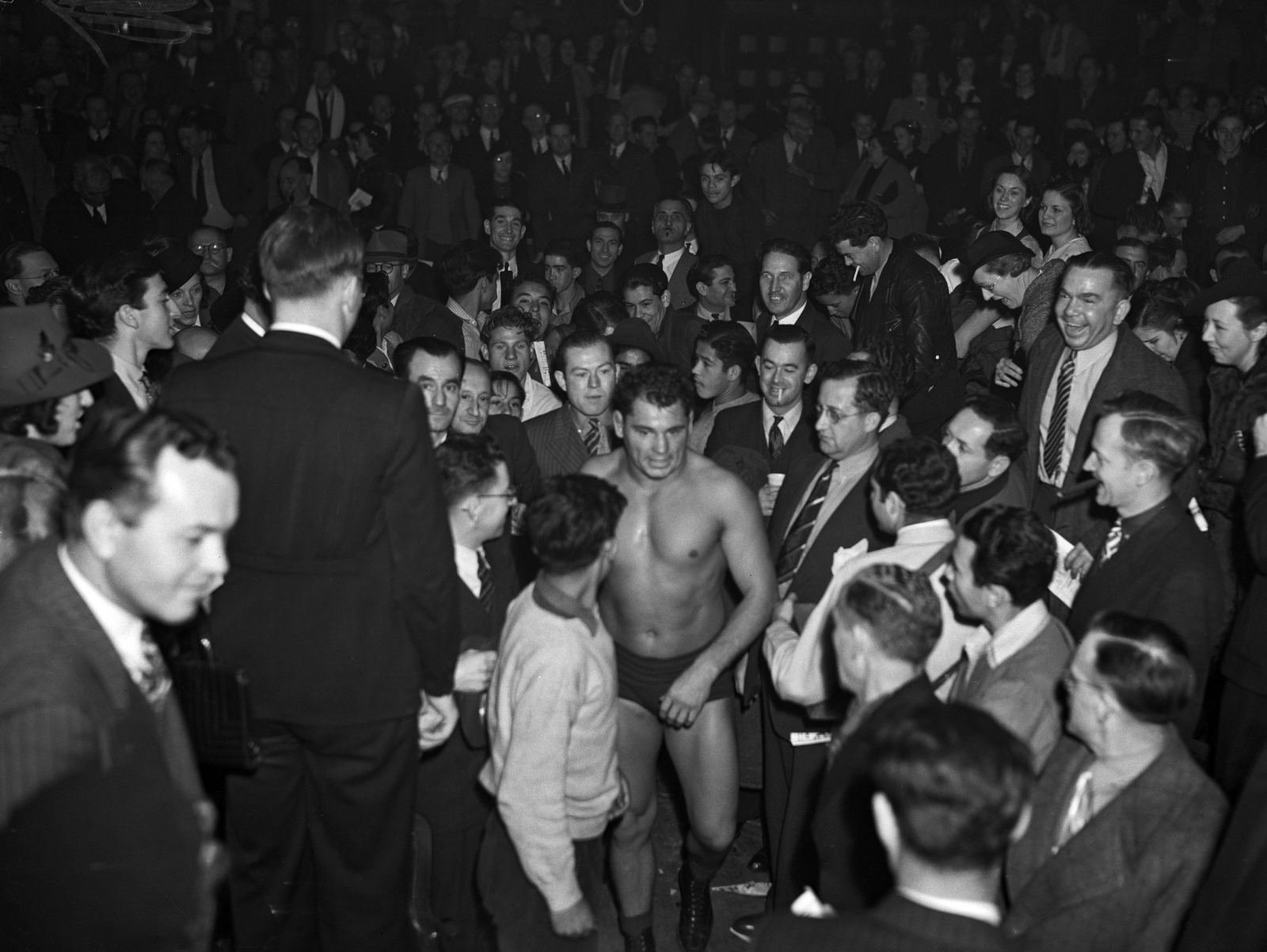
Sandor Szabo heads to the ring, 1930s: Los Angeles Daily News, CC BY 4.0
A warning word
Kayfabe started as a code word. In the days of carnival wrestling, performers needed a way to warn one another that a stranger was within earshot. Someone would say "kayfabe," and the conversation would switch at once to safe topics or to talk that kept the illusion alive.
Nobody is completely sure where it came from. A popular theory says it is a scrambled form of "be fake," similar to pig Latin. The earliest known written use dates only to the late 1980s. Other explanations exist, and none has been proven. What is clear is that it came out of carnival life and traveled with wrestlers into the arenas.
Wrestlers had a secret code word for keeping it real
Kayfabe is wrestling's old carnival-slang code for keeping storylines and characters presented as real.
YouTube @EntertainmentWrestlingWorld (launching soon). Photos in this Short: Honre's Pleasure Fair funfair in Inverness.jpg - Glen Wallace (CC BY-SA 4.0) via Wikimedia Commons | Honre's Pleasure Fair funfair in Inverness from above.jpg - Glen Wallace (CC BY-SA 4.0) via Wikimedia Commons | Carnival Midway at Circus Circus Reno.jpg - Jim G (CC BY 2.0) via Wikimedia Commons | Carnival Midway at Circus Circus Reno 2.jpg - Jim G (CC BY 2.0) via Wikimedia Commons | Wrestling - Sikeston, MO 1938 - 1.jpg - Russell Lee (Public domain) via Wikimedia Commons | Professional wrestlin
Living the gimmick
For much of the 20th century, kayfabe was not just a word. It was a way of life. Wrestlers who were bitter rivals on the card often traveled together, but they avoided being seen in public side by side. Villains stayed mean in restaurants and hotels. Performers refused to discuss outcomes with anyone outside the business, sometimes even with their own families.
Some wrestlers who broke the code found themselves out of work. The secrecy protected the business, which relied on fans believing in the struggle and the stakes.
Wrestlers also used the word as a verb and an adjective. To "kayfabe" someone was to keep the act going in front of them. A "kayfabe" interview was one given fully in character. The code was so strong that many performers kept their scripted rivalries alive in public for years, long after their matches had ended.
Works and shoots
Kayfabe came with a whole vocabulary. A "work" is something planned. A "shoot" is something real. A "mark" is a fan who believes. A "worked shoot" mixes the two on purpose, making scripted drama look like a real breakdown. Even in the age of the internet, the best wrestling stories still play with that blurry line.
Kayfabe after the curtain lifted
In 1989, WWF owner Vince McMahon told New Jersey lawmakers that wrestling was entertainment rather than a competitive sport, partly to escape athletic commission rules. After that, the business spoke more openly about its scripted nature. Today, nearly every fan knows the outcomes are planned. Yet kayfabe still survives as an agreement between performer and audience. People cheer and boo as if it is all real, because suspending disbelief is part of the fun. In that sense kayfabe is less a lie than a shared game.
Facts on this page were checked against these sources.
- Sandor Szabo heads to the ring, 1930s: Los Angeles Daily News, CC BY 4.0
- Short photos: Honre's Pleasure Fair funfair in Inverness.jpg - Glen Wallace (CC BY-SA 4.0) via Wikimedia Commons | Honre's Pleasure Fair funfair in Inverness from above.jpg - Glen Wallace (CC BY-SA 4.0) via Wikimedia Commons | Carnival Midway at Circus Circus Reno.jpg - Jim G (CC BY 2.0) via Wikimedia Commons | Carnival Midway at Circus Circus Reno 2.jpg - Jim G (CC BY 2.0) via Wikimedia Commons | Wrestling - Sikeston, MO 1938 - 1.jpg - Russell Lee (Public domain) via Wikimedia Commons | Professional wrestling ring setup.jpg - Lee Vilenski (CC BY-SA 4.0) via Wikimedia Commons | Traditional Wrestling Match.jpg - Amdadphoto (CC BY-SA 4.0) via Wikimedia Commons | Spectator Wrestling Match.jpg - Muhammad Amdad Hossain (CC BY-SA 4.0) via Wikimedia Commons
Text written by Entertainment Wrestling World.
← Rikidozan and Japanese PuroresuHeels, Faces and the Turn →