
Heels, Faces and the Turn
The heroes, villains and betrayals of wrestling. Every wrestling story runs on heroes called faces and villains called heels. When one switches sides, the heel turn can shake an entire arena.
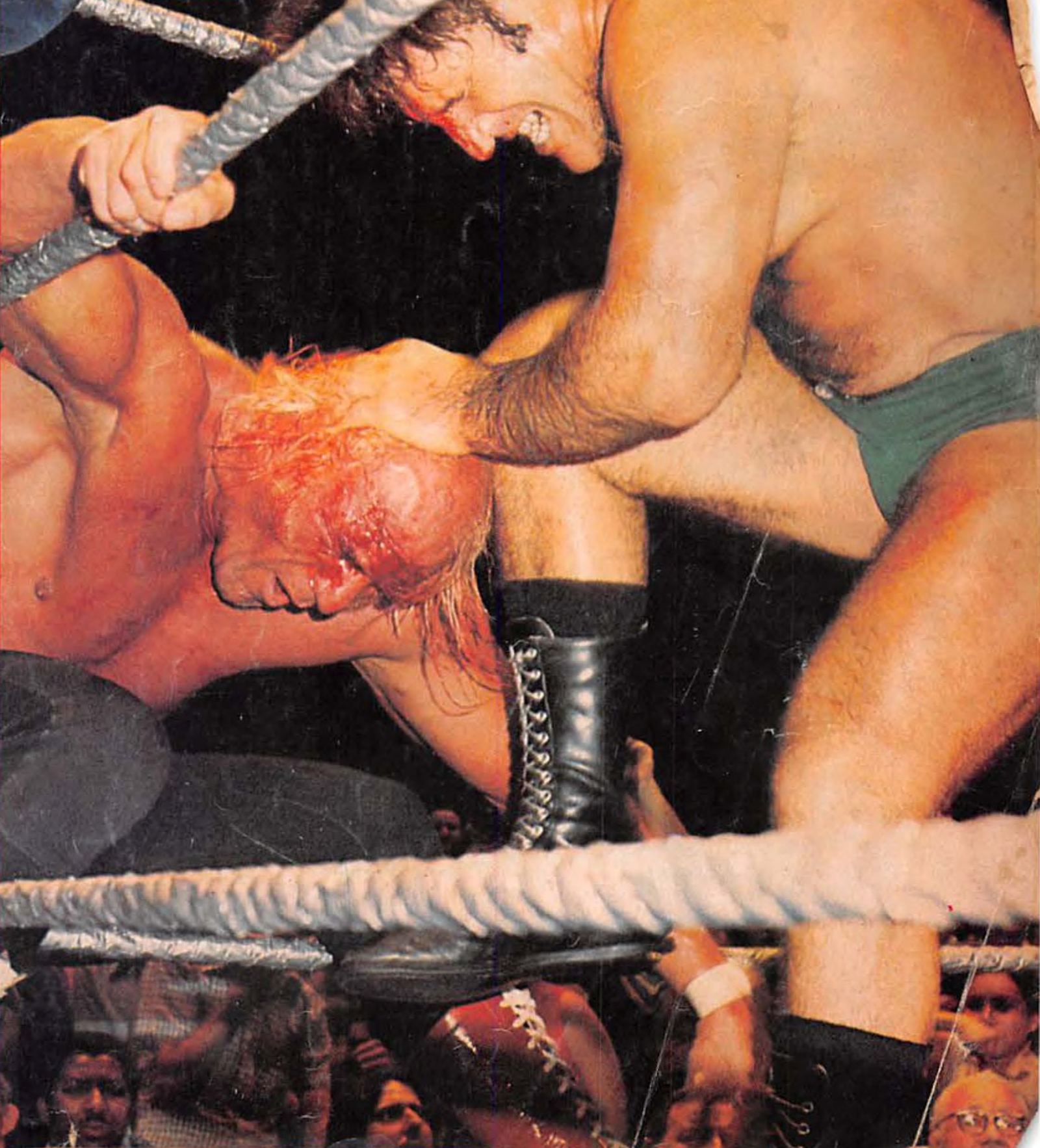
Superstar Billy Graham and Bruno Sammartino, 1979: Unknown author, Public domain
Good against evil
Professional wrestling is built on the oldest story there is: good against evil. The hero is called the babyface, or simply the face. The villain is the heel. A face plays by the rules, shows courage and connects with the crowd. A heel cheats, insults the audience and takes shortcuts. In Mexico the same roles are called técnicos and rudos.
A heel's job is to make people angry. The crowd's booing is called "heat," and drawing heat is a real skill. The more fans want to see a heel get beaten, the more tickets they buy to watch it happen.
The roles are about more than winning and losing. A heel can lose most of his matches and still be a major star if the crowd hates him enough. A face can be beaten repeatedly and grow more popular each time, because fans want to see the moment he finally triumphs. Great storytellers understand that emotion matters more than the result.
Classic villain tricks
Heels have a long list of tools. They hide foreign objects in their trunks, pull hair, distract the referee and attack from behind. Some insult the hometown or brag about being superior. Gorgeous George built a whole career on vanity, and countless villains have followed his example.
Faces, meanwhile, earn sympathy. They get beaten down, struggle through injury and fight back just when all seems lost. That rhythm of suffering and comeback, when timed perfectly, can bring a crowd to its feet.
The turn
The most dramatic moment in the business is the turn. A beloved hero betrays a partner and becomes a villain, or a hated heel finally earns the crowd's respect. A great turn changes everything around it. In 1996, the shocking heel turn of a long-time hero, Hulk Hogan, became one of the most famous moments of the decade and rewrote the stories of an entire promotion.
Turns can also happen naturally. If fans start cheering a villain because he is funny or skilled, the bookers may simply follow the audience.
The gray area
Modern wrestling often mixes the roles. Antiheroes break the rules but fight even worse people. Tweeners shift depending on who they face. Even so, the basic idea of heel and face remains the engine of every match. When fans know who to cheer and who to boo, the story writes itself.
Facts on this page were checked against these sources.
- Superstar Billy Graham and Bruno Sammartino, 1979: Unknown author, Public domain
Text written by Entertainment Wrestling World.




.jpg)