Catch Wrestling and the Athletic Shows
Where pro wrestling learned its tricks. Greco-Roman bouts, catch-as-catch-can and traveling carnival athletic shows laid the groundwork for the professional wrestling we know today.
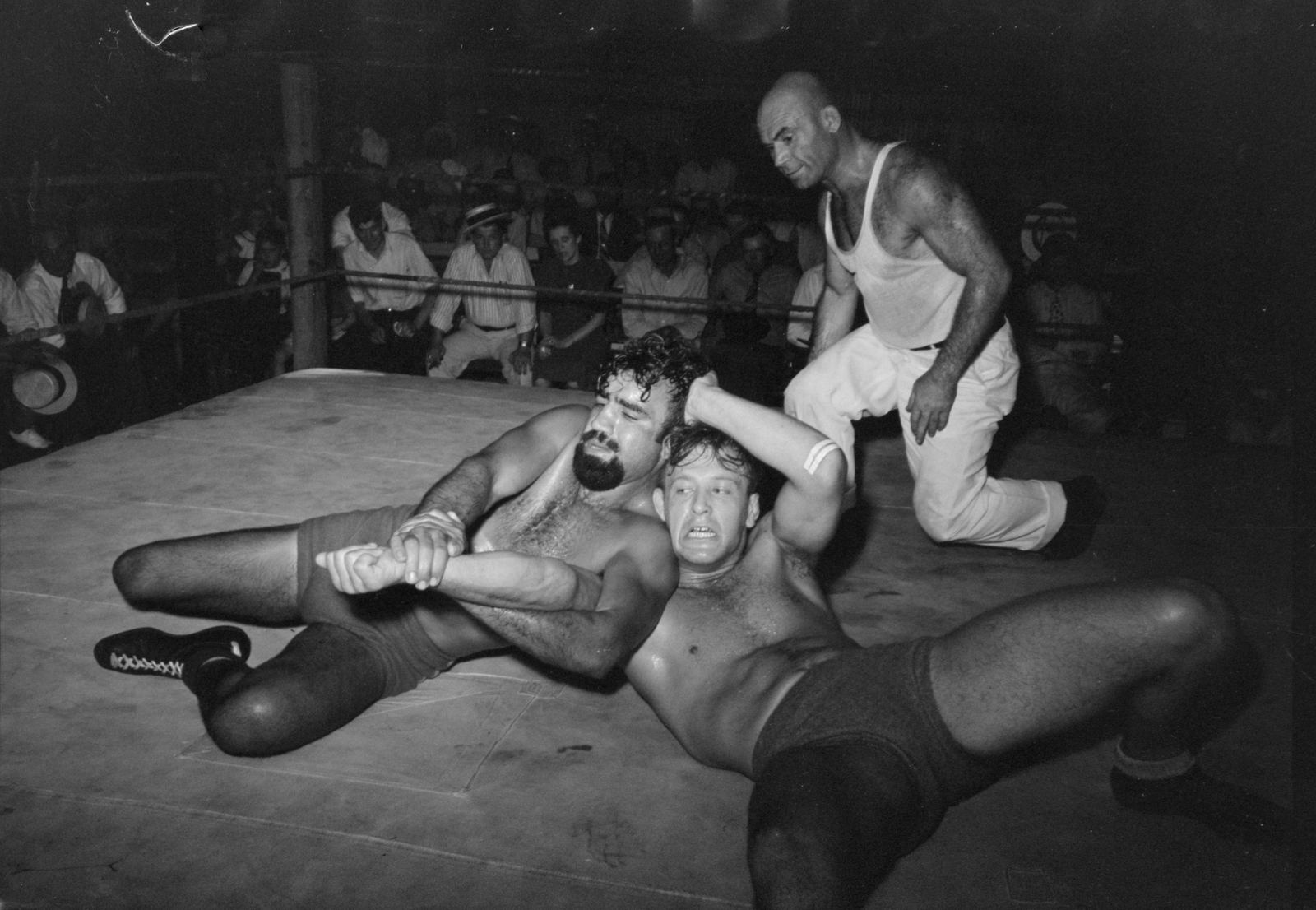
A wrestling show in Sikeston, Missouri, 1938: Russell Lee, Public domain
Two schools of grappling
By the 1800s, two styles dominated wrestling in Europe and North America. Greco-Roman wrestling, developed in France and given a classical-sounding name, banned holds below the waist. It became hugely popular in European music halls and arrived at the first modern Olympic Games in 1896.
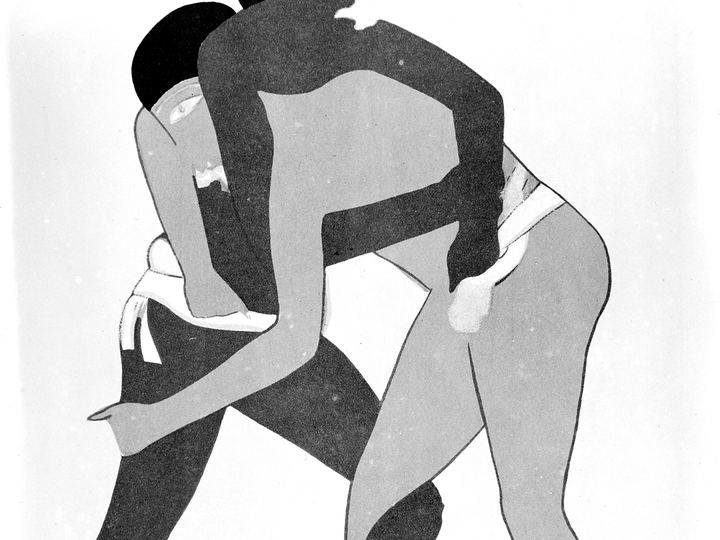
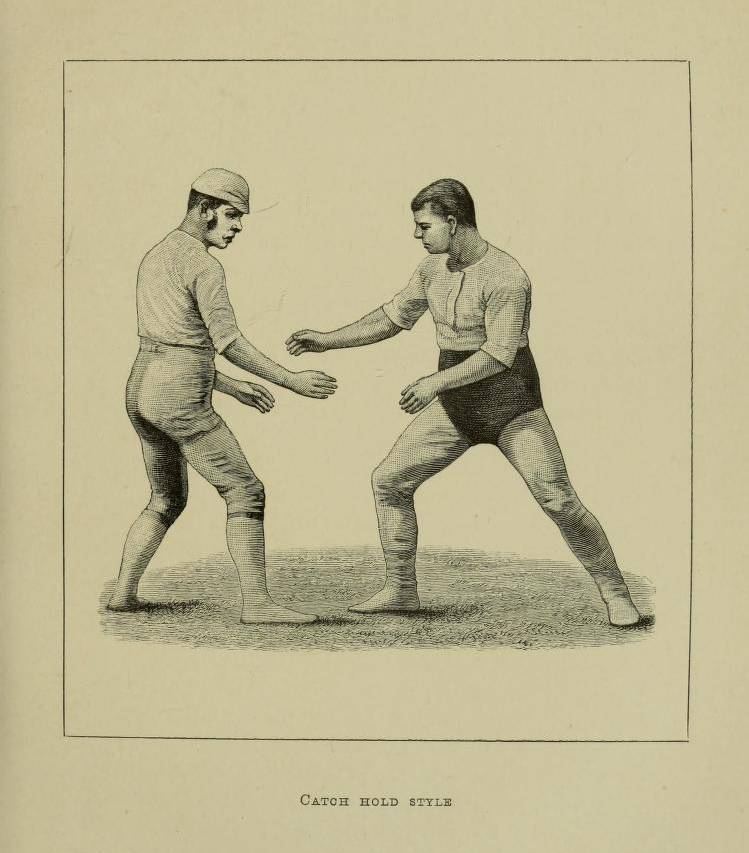
Catch-as-catch-can, linked to the mill towns of Lancashire in northern England, allowed holds almost anywhere on the body. That included the legs and painful joint locks called submissions or "hooks." Catch wrestlers spread the style to America, where it mixed with local collar-and-elbow wrestling and became the main professional style around 1900.
Wrestling under the canvas
In small towns, many people first saw wrestling at a traveling carnival. The athletic show, sometimes called an "AT show," was a tent with a stage and a barker out front. Inside, a resident wrestler offered a cash prize to any local who could last a set number of minutes or pin him.
Most challengers were farmhands and miners hoping for easy money. Some challengers were secretly carnival employees, planted in the crowd to make the show look exciting and to coax real customers onto the mat. When a genuinely tough outsider stepped up, the show turned to its "hooker," a skilled catch wrestler who could end the match with a painful hold.
The athletic shows were a hard school. Carnival wrestlers might take on several challengers a day, six or seven days a week, moving to a new town every few days. Many of the best-known professionals of the early 20th century learned their trade in those tents before graduating to theaters, ballparks and arenas.
Shooters, works and carny talk
Carnival life gave pro wrestling much of its vocabulary. A "shoot" was a real contest. A "work" was a planned performance. A "mark" was a customer who believed what he saw. These words, and the protective code that came with them, followed carnival wrestlers into arenas and onto television.
Early 20th century wrestling was a blend of legitimate contests and arranged finishes. Real matches could last hours with little action, which bored paying crowds. Promoters gradually learned that planned matches with clear heroes, villains and exciting finishes sold more tickets.
The legacy in the ring today
Modern performers still use holds that came straight from catch wrestling, from the toe hold to the double wristlock. In Japan and Britain, catch traditions stayed especially visible in the ring. The spirit of the carnival also never left: the music, the showmanship and the art of drawing a crowd all trace back to the barker in front of the tent.
Facts on this page were checked against these sources.
- A wrestling show in Sikeston, Missouri, 1938: Russell Lee, Public domain
- Catch hold starting position, 1889 illustration: The Badminton Library, Public domain
Text written by Entertainment Wrestling World.
← The Beni Hasan WrestlersFrank Gotch vs. George Hackenschmidt →