
Lucha Libre and the Mask
Mexico's high-flying, masked tradition. Lucha libre blends high-flying moves, colorful masks and fierce pride. In Mexico, losing your mask in a bet match can be the end of an identity.
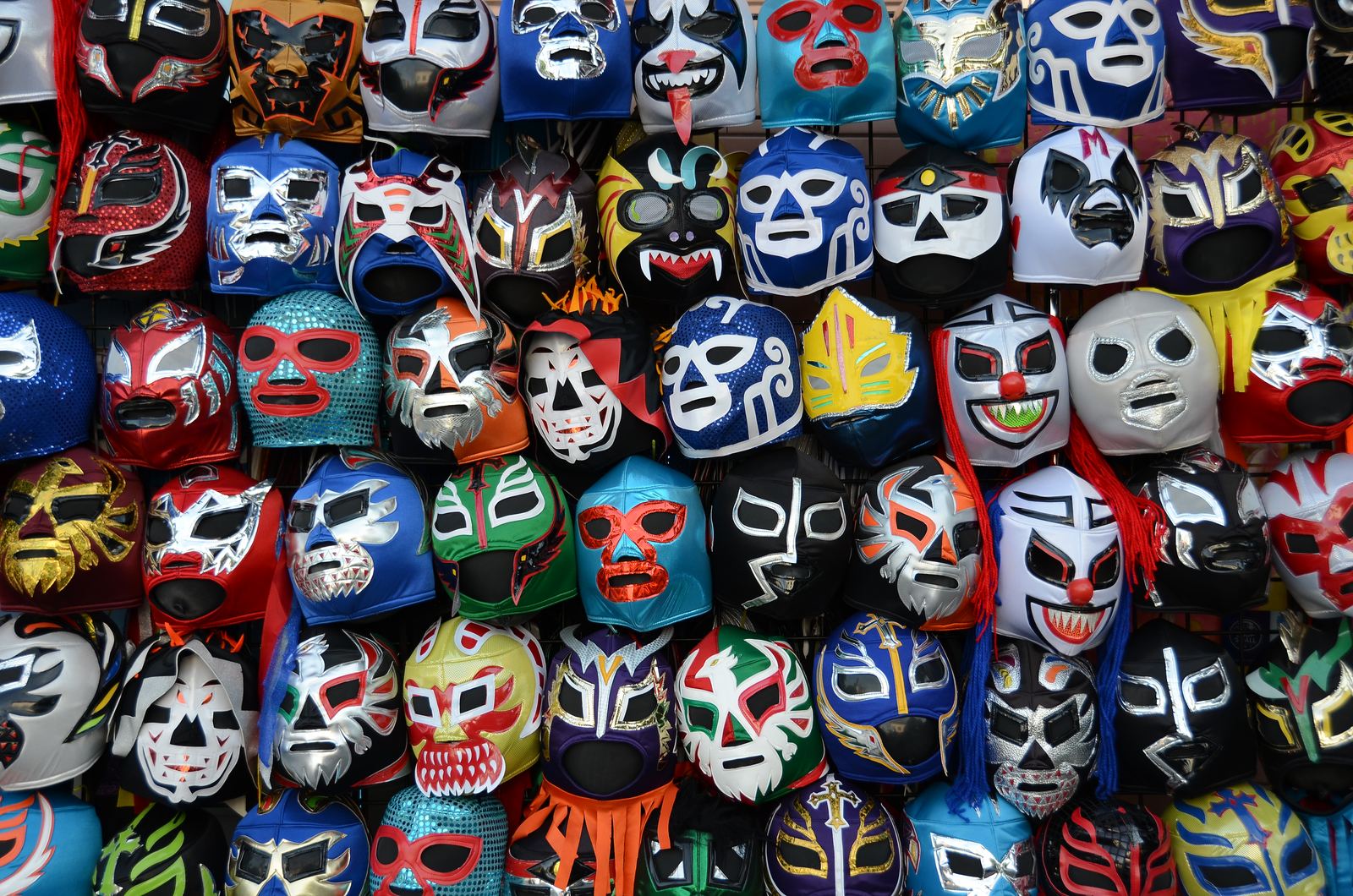
Lucha libre masks for sale: Jonathan McIntosh, CC BY-SA 3.0
Free fighting
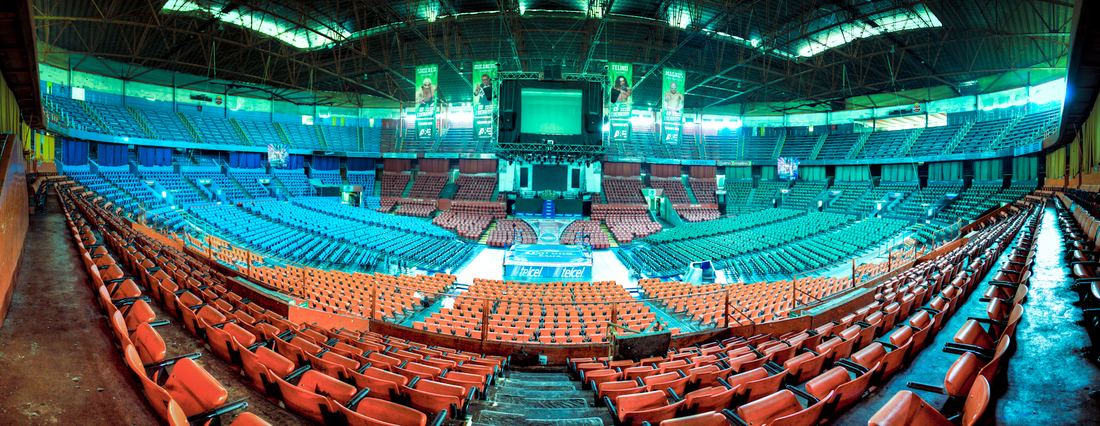
Lucha libre means "free fighting." Professional wrestling took root in Mexico in the 1930s, when promoter Salvador Lutteroth founded a company in Mexico City in 1933. That promotion is still running today, making it the oldest active wrestling promotion in the world. Its home, Arena México, opened in 1956 and is known as the cathedral of lucha libre.
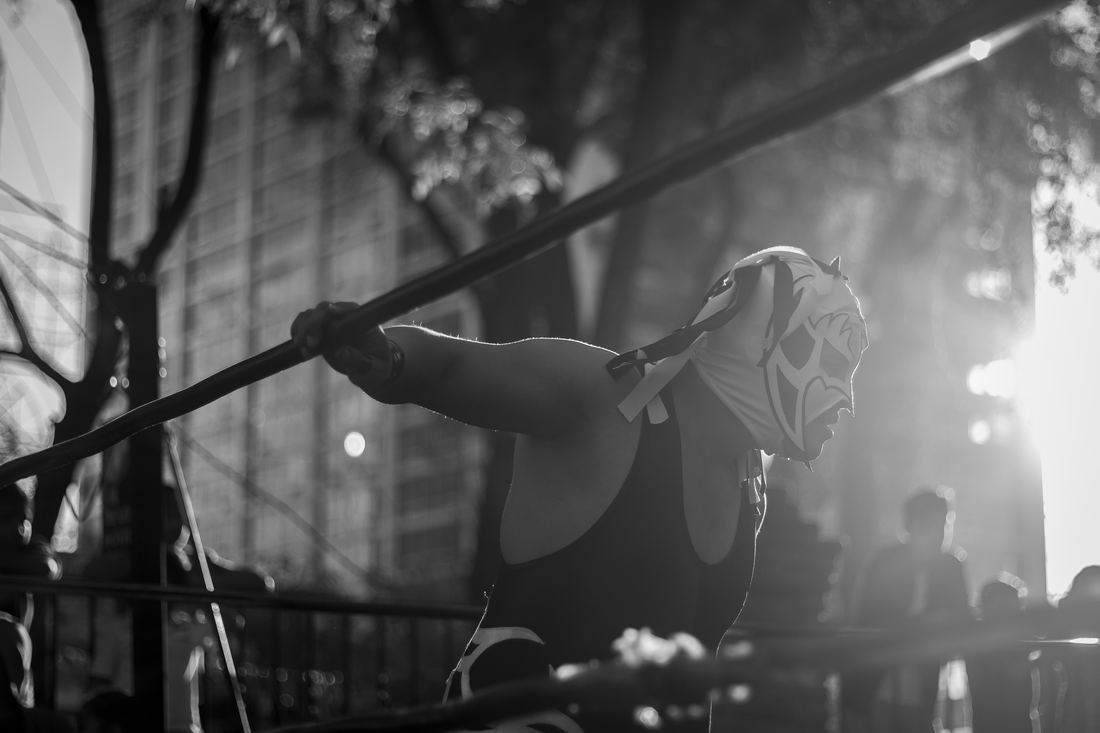
The style is fast and acrobatic. Luchadores dive from the top rope to the floor, spin through the air with headscissors and tie opponents into elaborate submission holds. Tag team and six-person trios matches are especially popular.
Why the mask matters
Masked wrestlers appeared in Mexico in the 1930s, and the idea caught on quickly. A mask turns a wrestler into a living character, a hero or a demon or an animal, whose face the public never sees. Many luchadores guard their identity for their entire careers, appearing masked in interviews and even on film.
Masks are bright, detailed and full of symbols, and they are sold everywhere from stadium stalls to street markets. Children wear the masks of their favorite heroes, and families pass down loyalties from one generation to the next.
Matches often follow a best two-out-of-three-falls format, a tradition that has lasted for decades in Mexico. Luchadores also tend to be lighter than heavyweights in other countries, and that smaller size helps explain the emphasis on speed, agility and spectacular aerial moves. A great lucha match can feel like a gymnastics routine performed at full speed.
Technicos, rudos and the big bet
Lucha libre stories are built on the clash between técnicos, who fight cleanly and fly high, and rudos, who brawl and cheat. The ultimate payoff of a feud is the lucha de apuestas, the bet match. Two wrestlers stake their masks, or a masked wrestler stakes his mask against a rival's hair. The loser must unmask in the ring and announce his real name.
Once a mask is lost, it can never truly return. That is why these matches carry so much weight, and why the biggest unmaskings are remembered for decades.
A national treasure
In 2018, Mexico City declared lucha libre part of its intangible cultural heritage. Legends like El Santo, Blue Demon and Mil Máscaras helped carry the style worldwide, and its influence can be seen in wrestling rings in the United States, Japan and Europe today.
- Wikipedia: Lucha libre
- Wikipedia: Consejo Mundial de Lucha Libre
- Wikipedia: Arena México
- Banderas News: Mexico City Declares Lucha Libre Intangible Cultural Heritage
Facts on this page were checked against these sources.
- Lucha libre masks for sale: Jonathan McIntosh, CC BY-SA 3.0
- Arena México, Mexico City: Carlos Adampol Galindo from DF, México, CC BY-SA 2.0
- A lucha libre match in Mexico City: Joe Hernandez, CC0
Text written by Entertainment Wrestling World.
← Women's Wrestling PioneersRikidozan and Japanese Puroresu →






.jpg)