Hulk Hogan
The face of the 1980s boom. How Terry Bollea became Hulk Hogan, headlined the first WrestleMania, slammed Andre the Giant and later shocked fans as an nWo villain.
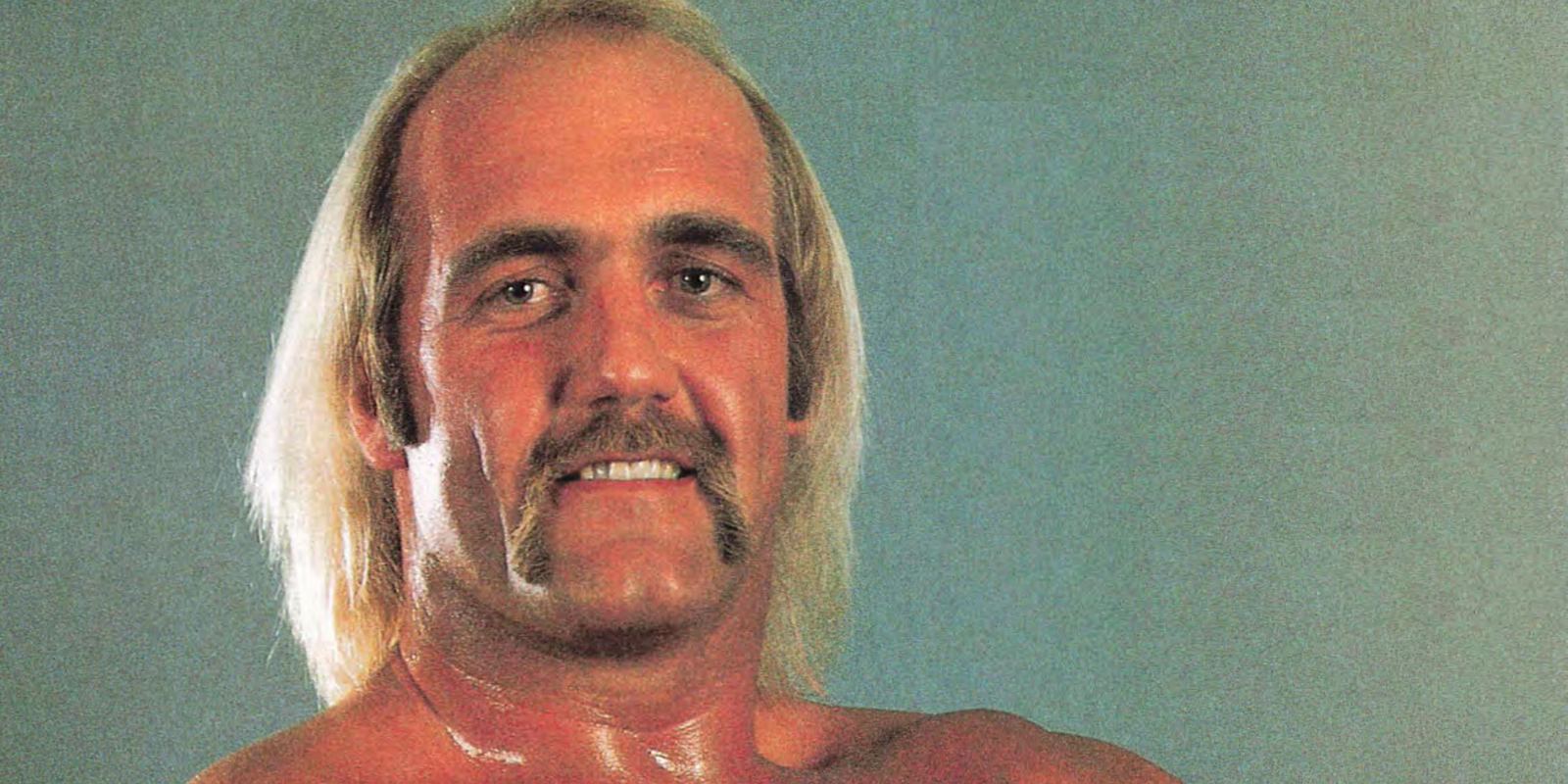
Hulk Hogan around 1985: Unknown photographer, Public domain
From Tampa bands to the big time
Terry Bollea grew up in the Tampa area, played bass in local rock bands and trained to wrestle under Hiro Matsuda in the late 1970s. At around six foot seven with a bodybuilder's frame, he stood out immediately, and a stint in Vince McMahon Sr.'s WWF gave him the Hulk Hogan name. A role as the wrestler Thunderlips in the 1982 film Rocky III put his face in front of millions of moviegoers who had never watched a wrestling show.
In the AWA he became a huge draw in the Midwest, but the real breakthrough came when Vince McMahon Jr. built his national WWF expansion around him. On January 23, 1984, Hogan beat The Iron Sheik at Madison Square Garden for the WWF Championship, and the era fans now call Hulkamania began.
Hulkamania and WrestleMania
Hogan was the centrepiece of the first WrestleMania in March 1985, teaming with the actor Mr. T to beat Roddy Piper and Paul Orndorff. The show mixed wrestling with celebrities and music television, and Hogan's red and yellow look, ripped shirts and cupped-ear poses became pop culture shorthand for wrestling itself.
Two years later at WrestleMania III in the Pontiac Silverdome he body slammed Andre the Giant in front of an announced crowd of 93,173, still one of the most replayed moments in the sport. His tag team with Randy Savage, the Mega Powers, and their later split drove WrestleMania V in 1989.
Hollywood Hogan and the nWo
By the mid 1990s Hogan had moved to WCW, and in July 1996 at Bash at the Beach he turned on the fans and joined Kevin Nash and Scott Hall to form the New World Order. Dressed in black and renamed Hollywood Hogan, the former hero became the most hated man in wrestling, and the nWo storyline helped WCW beat WWF in the ratings for well over a year.
He returned to WWE in 2002 and had a memorable WrestleMania X8 match with The Rock in Toronto, where the crowd cheered him even though the script had him as the villain.
A complicated legacy
Hogan was inducted into the WWE Hall of Fame in 2005. His later years were marked by controversy and a period in which WWE cut ties with him, followed by a return to its events. He died in July 2025 at the age of 71. Whatever fans think of the man, historians agree that the 1980s national wrestling boom, and the idea of wrestling as mainstream entertainment, is hard to imagine without him.
For newer fans, the easiest way to understand Hogan's impact is to watch the first three WrestleManias and then a WCW Nitro from late 1996. The jump from the bright, simple hero to the black-and-white villain shows how wrestling characters can be rebuilt, and how a turn can reshape an entire company. His entrance music, his posing routine and his habit of shaking off punishment before a big comeback, known as hulking up, have been copied by wrestlers of every generation.
- Hulk Hogan around 1985: Unknown photographer, Public domain
Text written by Entertainment Wrestling World.