ECW: Extreme Championship Wrestling
The bingo hall that changed wrestling. From a small Philadelphia arena, ECW's hardcore matches, cult fans and Paul Heyman's booking influenced all of 1990s wrestling.
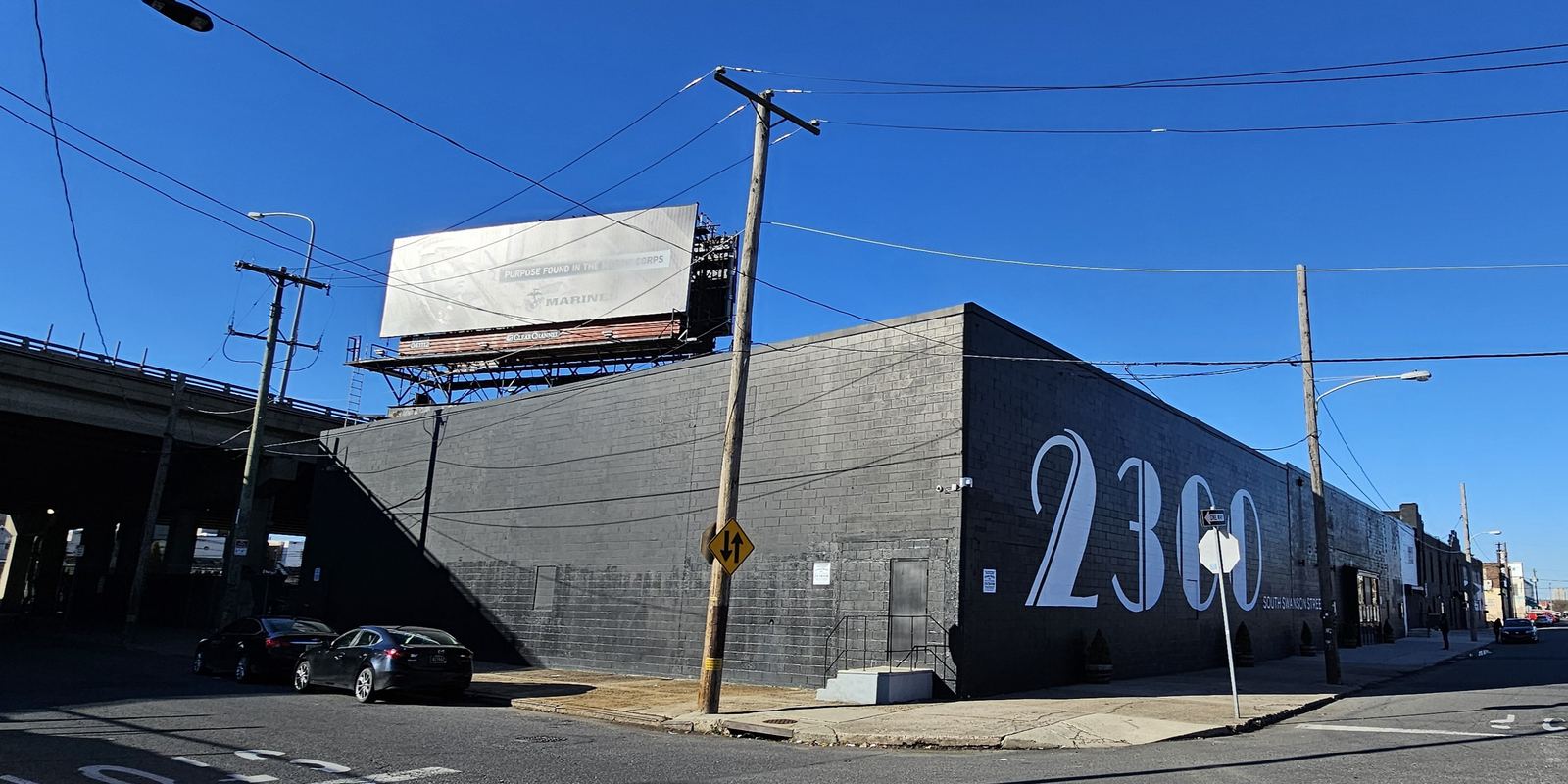
The 2300 Arena, former ECW Arena: JJonahJackalope, CC BY-SA 4.0
A local promotion with big ideas
Eastern Championship Wrestling was founded in Philadelphia in 1992 by Tod Gordon. Paul Heyman, a sharp young talker and manager, soon became the creative force. In 1994 Shane Douglas won the NWA World Heavyweight title in a tournament, then threw the belt down and declared himself ECW champion, and the company renamed itself Extreme Championship Wrestling.
Hardcore and much more
ECW became famous for hardcore matches with tables, ladders, chairs and barbed wire, and for its loud, passionate fans packed into a small arena in South Philadelphia. But Heyman's ECW also featured technical wrestlers and luchadores, like Dean Malenko, Eddie Guerrero, Rey Mysterio and Psicosis, and edgy storylines that felt different from the cartoonish mainstream of the time.
Stars included Sabu, Taz, Tommy Dreamer, Rob Van Dam, The Sandman, Raven and the Dudley Boyz, many of whom later became big names in WWF and WCW.
Influence and collapse
Bigger companies borrowed ECW's style and hired its wrestlers. The WWF's Attitude Era and WCW's nWo storyline both owed something to ECW's attitude. ECW got a national TV deal in 1999, but it was always short of money, and it went out of business in 2001. WWE bought its assets, and the ECW video library is part of WWE's archive.
Revivals and the arena today
WWE held ECW One Night Stand reunion shows in 2005 and 2006, then ran ECW as a third brand from 2006 to 2010. The old arena is now the 2300 Arena and still hosts independent wrestling, boxing and concerts. For fans, a visit is a small pilgrimage to the place where so much of modern wrestling's attitude began.
ECW also gave wrestlers a chance to show personality. Wrestlers talked in their own voices, often criticising the bigger companies, and the crowd became part of the show with famous chants. The documentary The Rise and Fall of ECW, released by WWE in 2004, is a popular way to learn its story, and many of its stars still appear at reunion events and conventions.
- The 2300 Arena, former ECW Arena: JJonahJackalope, CC BY-SA 4.0
Text written by Entertainment Wrestling World.